

Beyond Inhibition: The Physics of Microbial Annihilation​

At NASK, we have developed a groundbreaking antimicrobial nanofiber that redefines the standard for safety and efficacy. While the industry has long relied on leaching toxic metals like silver or copper ions to combat microbes, our technology takes a fundamentally different—and scientifically superior—approach.

Mechanism of NASK NANO in Killing Bacteria

We have created a nanofiber that kills pathogens through physical and chemical interactions at the cellular level, without releasing any harmful substances into the environment or onto the user’s skin.

The Science of the Kill: A Physical-Chemical Synergy
The mechanism behind our technology is a testament to our commitment to deep scientific research. Unlike conventional antimicrobial materials that require the migration of heavy metal ions (which can pose risks to human health and the environment), our nanofibers are engineered with a unique molecular structure that achieves microbial inactivation through two synergistic pathways:

Physical Disruption (The "Nano-Blade" Effect)

Our electrospinning process produces nanofibers with precisely controlled surface topography. When a microorganism—whether a bacterium, fungus, or virus—comes into contact with our nanofiber, the nano-scale architecture physically disrupts its lipid envelope or cell membrane. This is a mechanical breach that the microbe cannot develop resistance against.

Contact-Based Chemical Inactivation

The polymer matrix of our nanofiber is functionalized with a safe, non-leaching active ingredient. Upon contact with the disrupted microbe, this chemistry irreversibly denatures the proteins and genetic material (DNA/RNA) inside, ensuring complete and permanent inactivation.
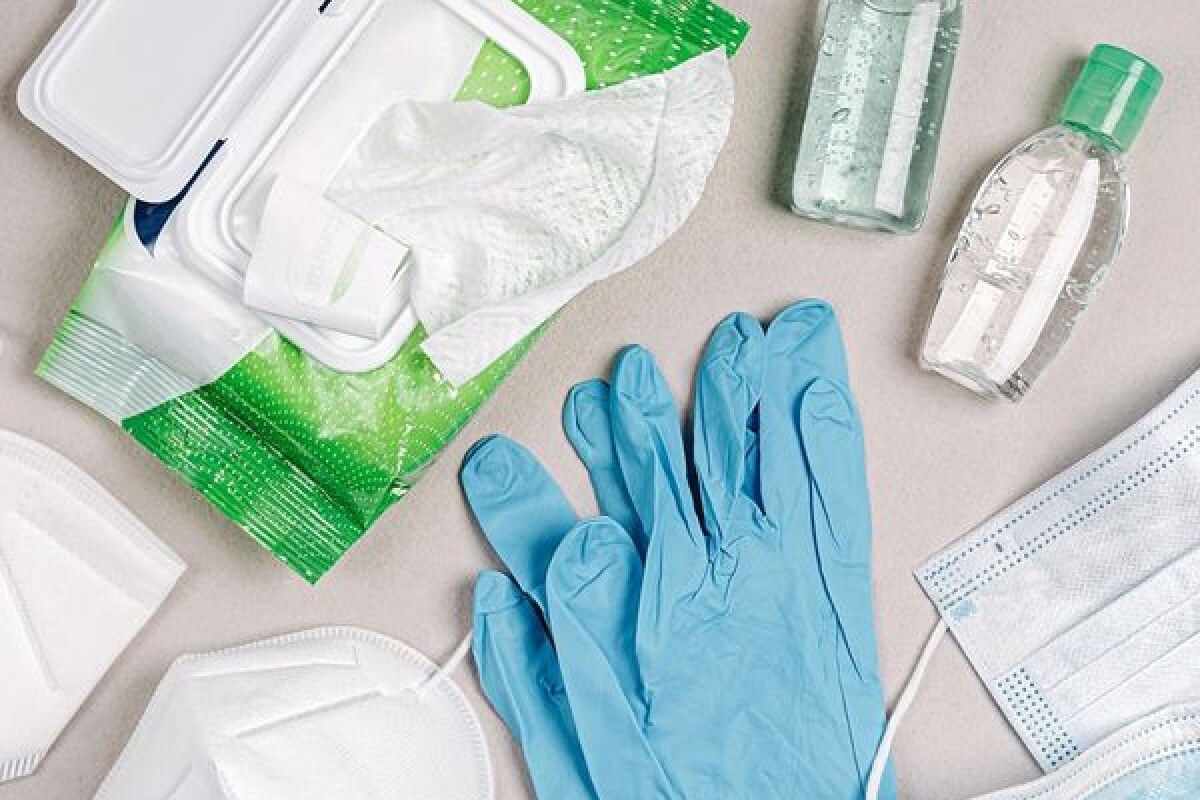
This dual-action mechanism ensures a >99% kill rate against a wide spectrum of dangerous pathogens, including:

Because the active ingredient is bound directly to the nanofiber and does not leach out, our material is inherently safe, non-toxic, and provides long-lasting protection without the environmental concerns associated with nano-silver or other metal-based biocides.

Proven in the Field, Trusted by Leaders

Because the active ingredient is bound directly to the nanofiber and does not leach out, our material is inherently safe, non-toxic, and provides long-lasting protection without the environmental concerns associated with nano-silver or other metal-based biocides.

This innovation has earned the trust of the most demanding healthcare institutions globally. Our respirators have been used by top customers [including the Hospital Authority in Hong Kong and the World Health Organization (WHO) ], protecting frontline healthcare workers during critical times.

A Platform for Global Health: Unlocking New Markets

The potential applications for a safe, non-leaching, and highly effective antimicrobial nanofiber extend far beyond respirators. We are actively seeking partners to explore and commercialize this technology across multiple high-value sectors:

Healthcare & Medical

Antimicrobial surgical masks, gowns, drapes, and wound dressings that prevent secondary infections without cytotoxic side effects.
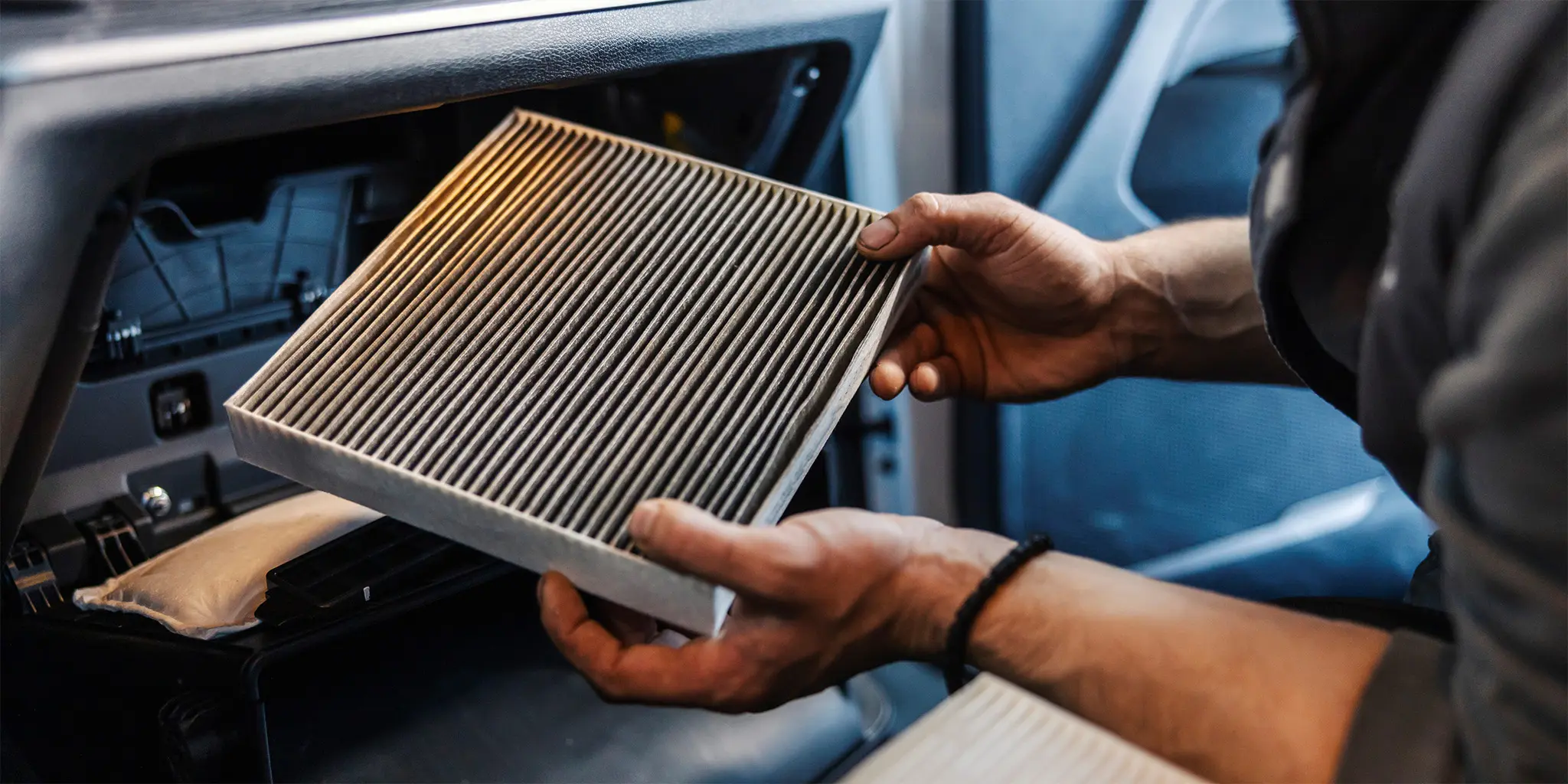
Water & Air Filtration

Filters that not only trap but actively kill Legionella, mold, and viruses, preventing the re-growth of harmful microbes in HVAC systems and water purification devices.
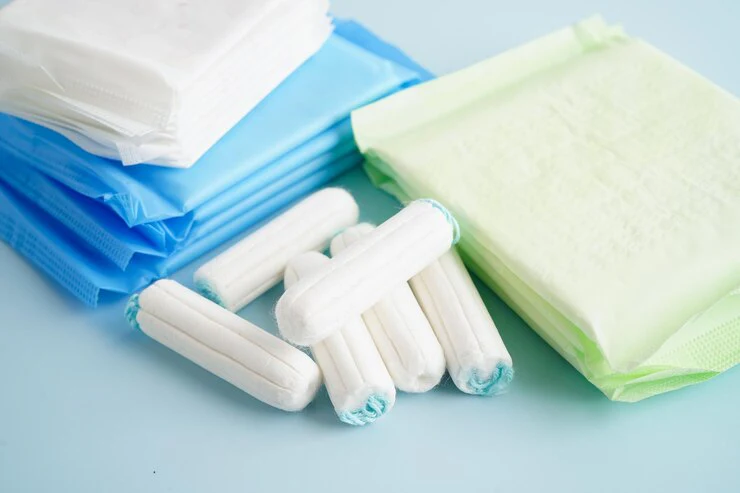
Hygiene & Personal Care

Sanitary napkins, adult diapers, and baby diapers that actively combat odor-causing bacteria and reduce the risk of dermatitis and urinary tract infections.

Food Packaging

Wraps and liners that extend shelf life by inhibiting the growth of spoilage organisms and pathogens like E. coli and Salmonella.
Public Health & PPE

High-performance protective equipment for industrial and public use that offers a built-in, sustainable defense against emerging biological threats.

By partnering with NASK, you are not just adopting a new material; you are integrating a patented, award-winning, and globally certified platform technology poised to become the new standard in antimicrobial protection.)